12-Day Namibia Photography Expedition
Capture Namibia's Most Iconic Landscapes, Wildlife, Coastlines and Night Skies Through an Unforgettable 12-Day Photography Journey.
Wildlife Photography | Landscape Photography | Astrophotography | Drone-Friendly Locations
Small Group Photography Tour • Expert Local Guidance • Best Seasonal Shooting Conditions
Photography Highlights
From dramatic desert landscapes and abundant wildlife to ghost towns, coastlines, and Milky Way skies, this expedition is designed to maximize photographic opportunities across Namibia’s most iconic locations.
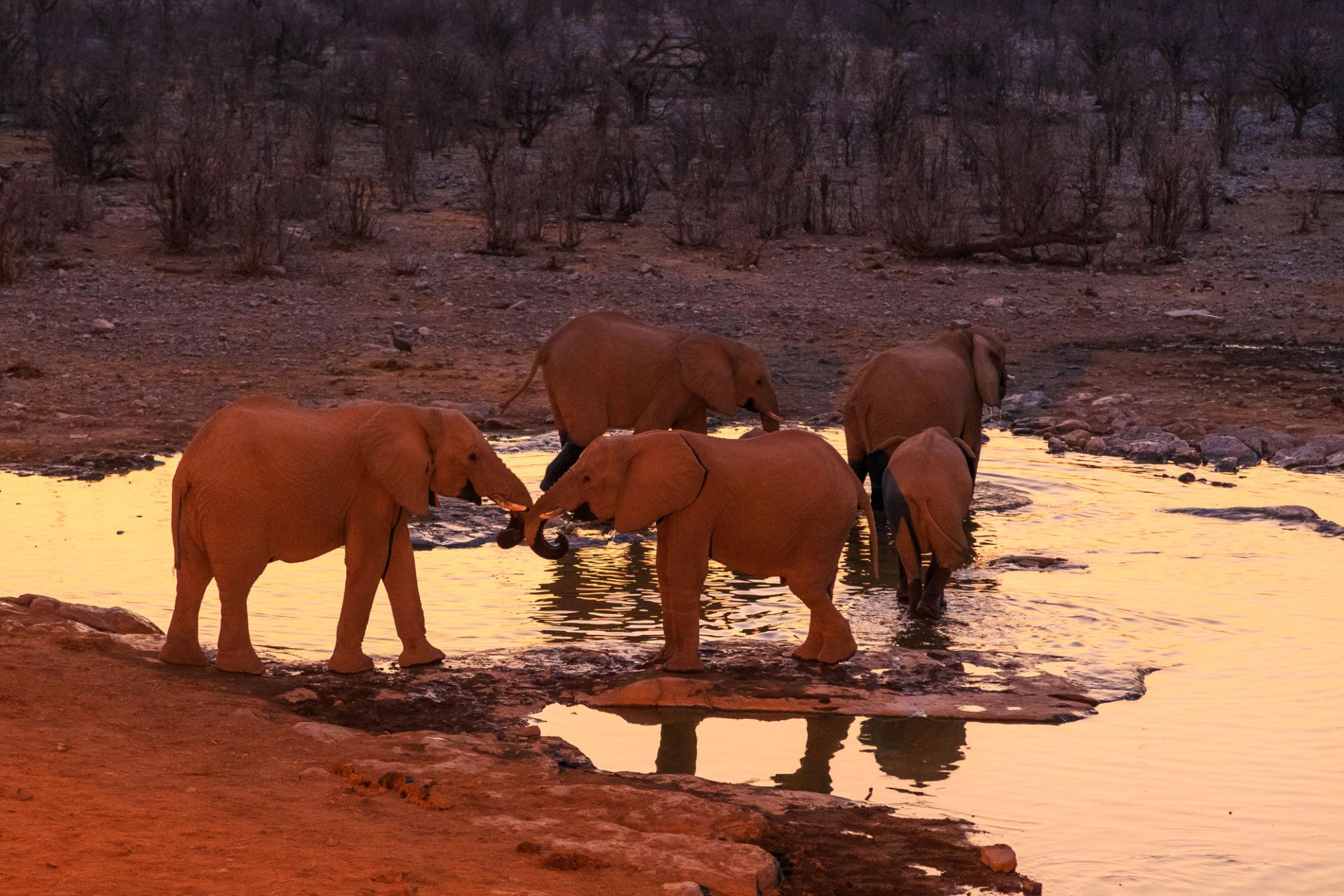
Wildlife Photography
Photograph elephants, giraffes, zebras, antelope, and predators around Etosha’s famous waterholes.
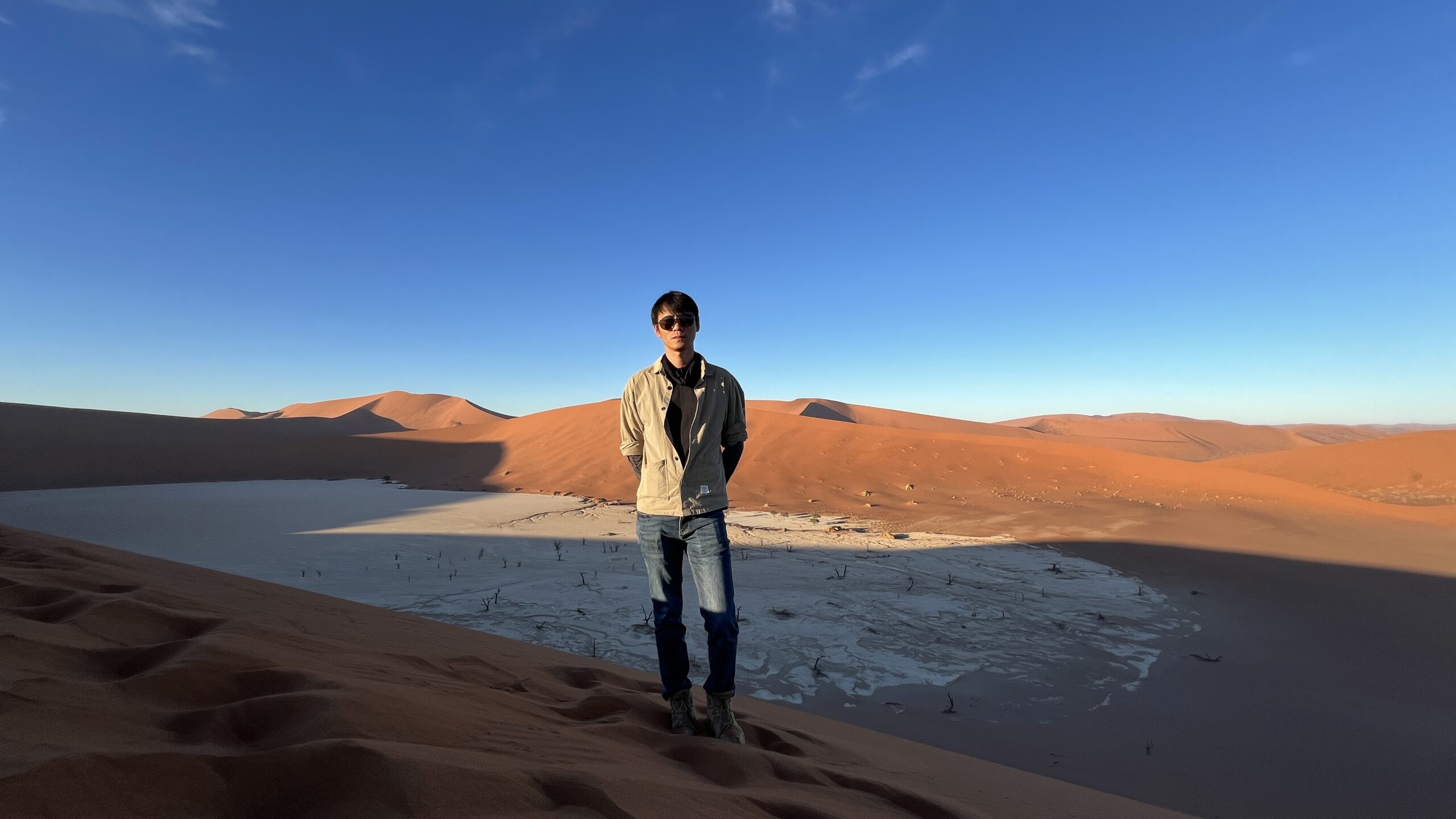
Landscape Photography
Capture Namibia’s world-famous dunes, dramatic rock formations, desert textures, and vast open landscapes.
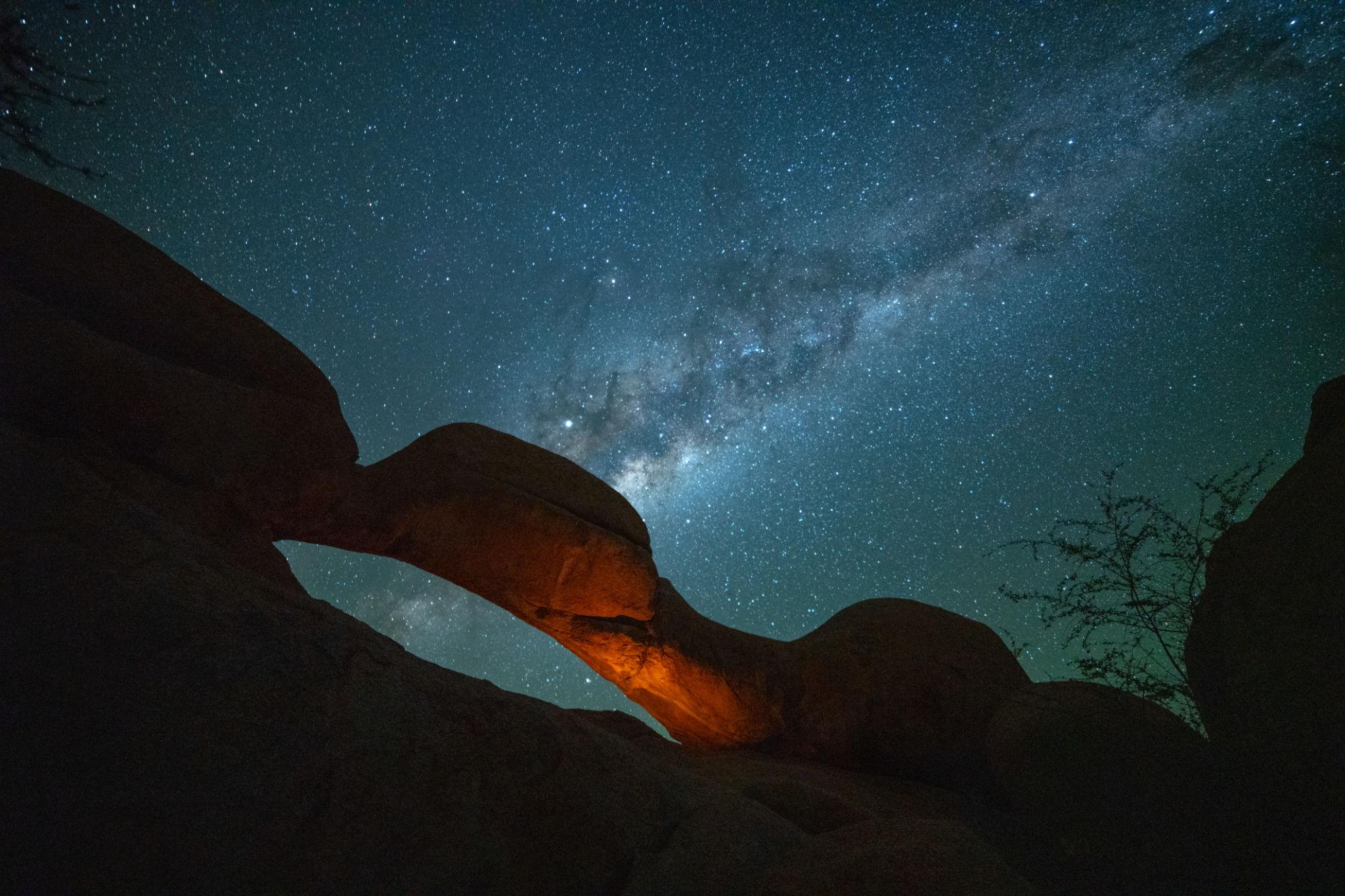
Astrophotography
Experience some of Africa’s darkest skies at Spitzkoppe and Quiver Tree Forest for unforgettable Milky Way photography.
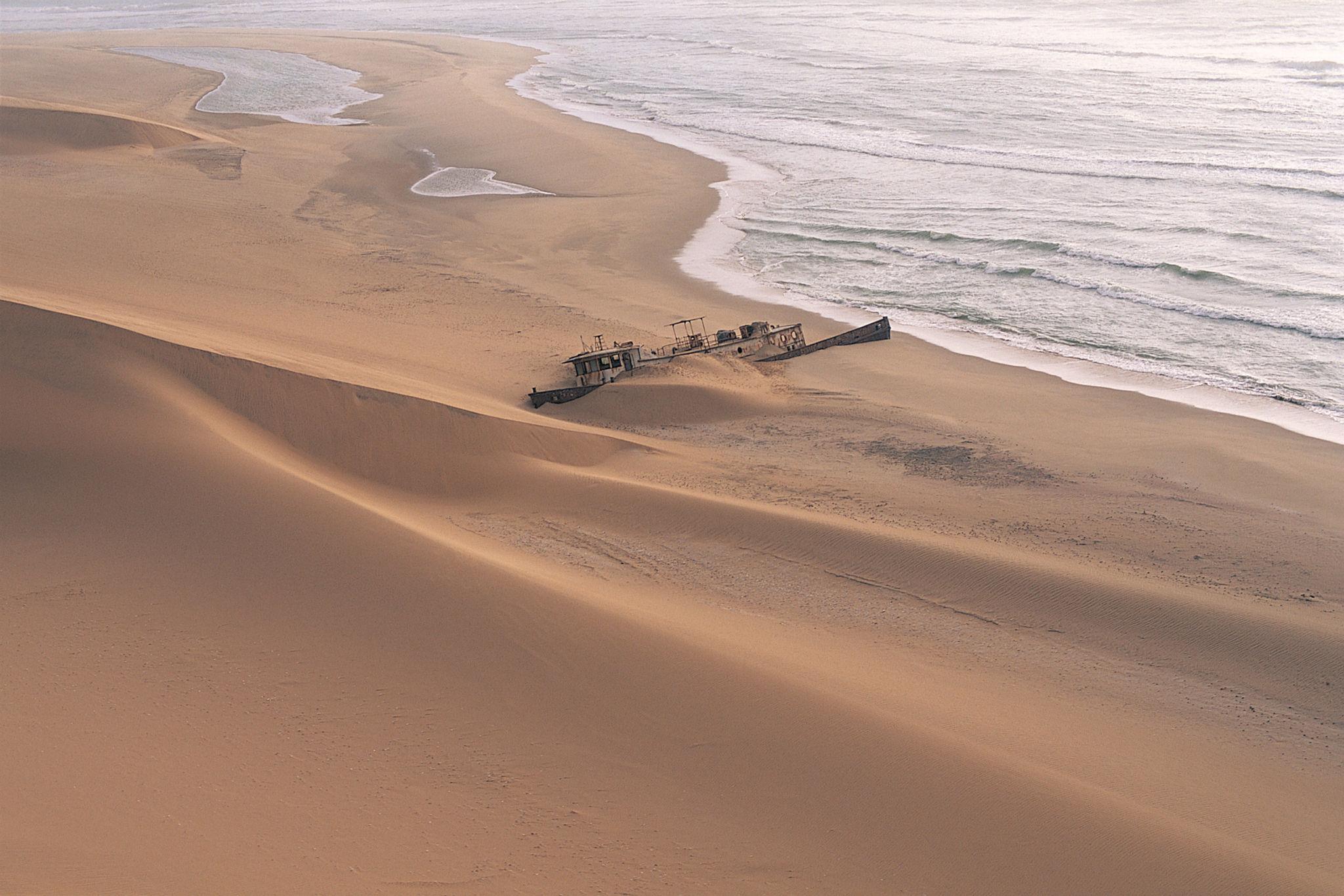
Coastal Photography
Photograph flamingos, shipwrecks, seal colonies, dramatic coastlines, and Atlantic Ocean sunsets.
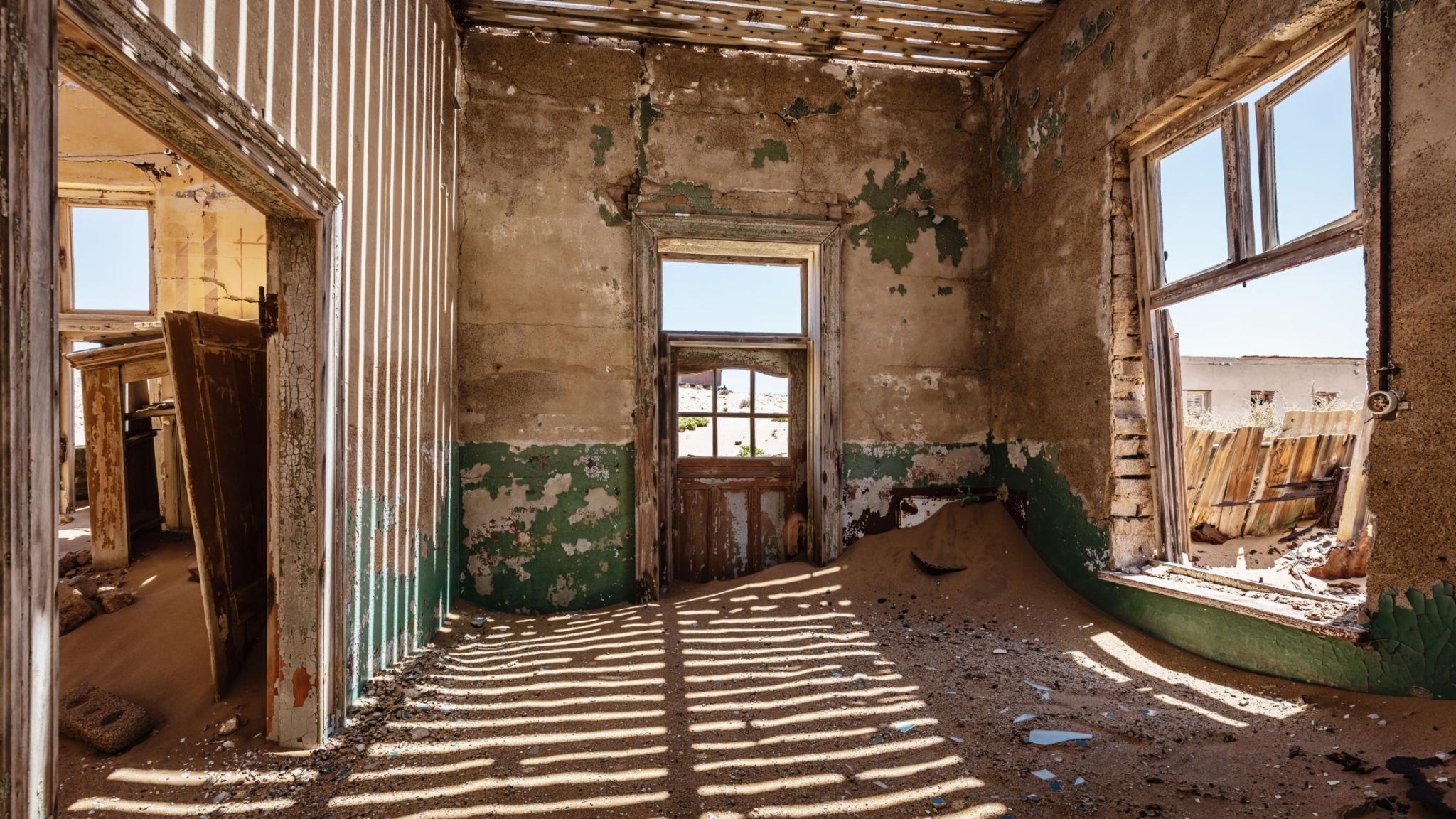
Ghost Town Photography
Explore the abandoned diamond-mining town of Kolmanskop and photograph sand-filled buildings, dramatic light, and unique fine-art compositions.
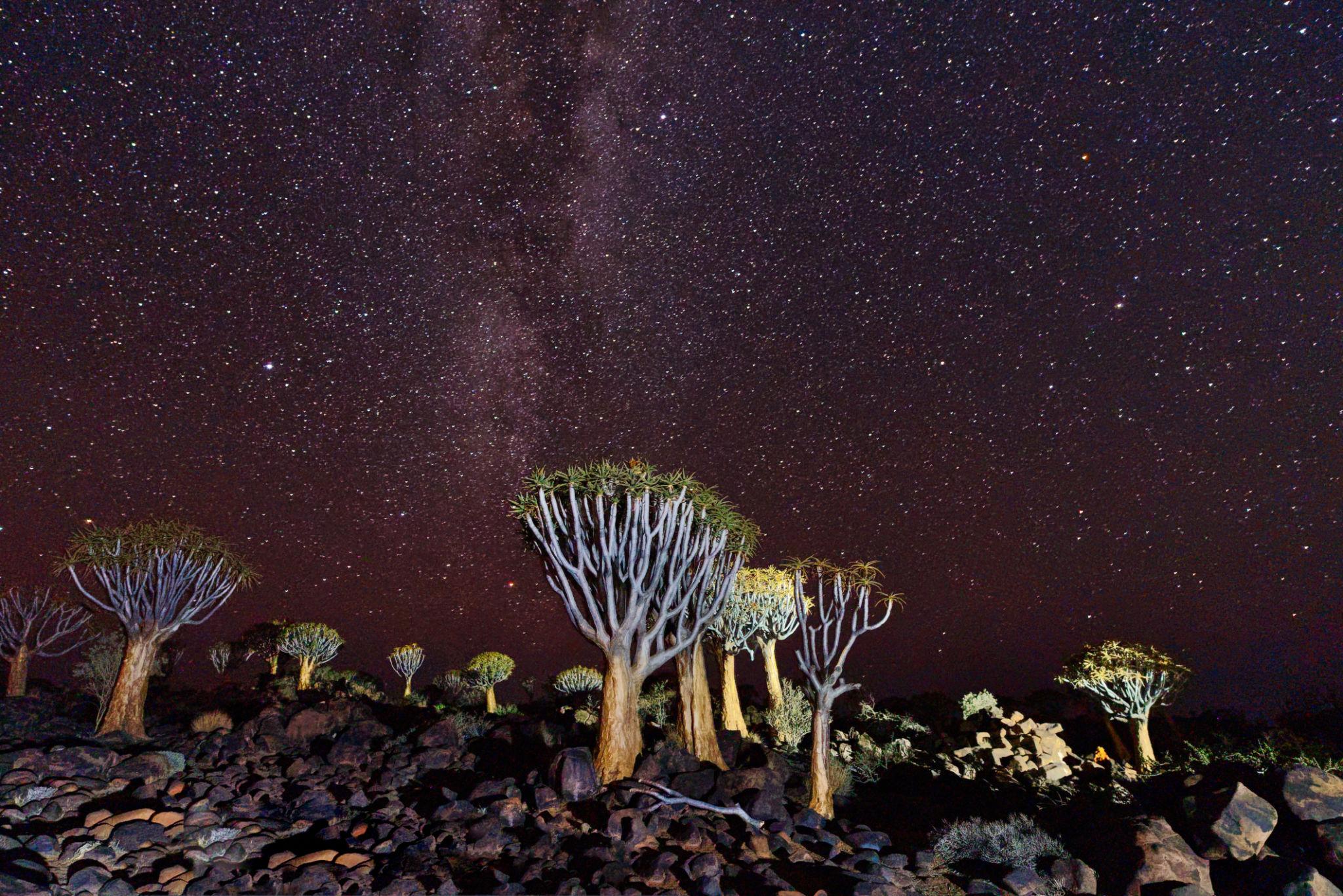
Fine Art Photography
Create striking fine-art images using Namibia’s unique desert trees, sand dunes, rock formations, shadows, textures, and minimalist landscapes.
12-Day Photography Itinerary Overview
A carefully designed 12-day photographic journey through Namibia, structured around the best light conditions, landscapes, wildlife encounters, and astrophotography opportunities.
Day 1 | Arrival in Windhoek
Airport transfer, city orientation, gear setup, and preparation for upcoming photographic journey.
Day 2 | Etosha National Park – Wildlife Photography Introduction
Wildlife photography around waterholes, capturing elephants, giraffes, and antelope in natural light conditions.
Day 3 | Etosha → Spitzkoppe – Desert Rock & Sunset Photography
Rock formations, desert textures, and sunset composition at one of Namibia’s most iconic landscape locations.
Day 4 | Spitzkoppe → Skeleton Coast – Dramatic Desert Crossing
Explore Namibia’s Skeleton Coast and Cape Cross, photographing dramatic Atlantic landscapes, mysterious coastal fog, historic shipwreck scenery, and one of Africa’s largest Cape fur seal colonies.
Day 5 | Skeleton Coast → Walvis Bay – Flamingos & Seascapes
Coastal wildlife, flamingo lagoons, and Atlantic Ocean sunset photography.
Day 6 | Walvis Bay – Ocean Safari & Dune Photography
Marine wildlife encounters, dolphin photography, and dramatic dune landscapes at Sandwich Harbour.
Day 7 | Walvis Bay → Sossusvlei – Desert Entry & Landscape Preparation
Journey into the Namib Desert, preparing for sunrise dune photography sessions.
Day 8 | Sossusvlei – Big Daddy & Deadvlei Photography
Sunrise dune climb, fine-art desert photography, and iconic Deadvlei compositions.
Day 9 | Sossusvlei → Kolmanskop – Ghost Town Photography
Abandoned diamond town exploration with sand-filled buildings and dramatic light conditions.
Day 10 | Kolmanskop → Quiver Tree Forest – Astrophotography Focus
Tree landscapes and Milky Way astrophotography in one of Namibia’s darkest skies.
Day 11 | Quiver Tree Forest → Windhoek – Final Landscape & Reflection
Scenic return journey with final landscape photography opportunities.
Day 12 | Windhoek – Departure
Airport transfer and end of photographic expedition.
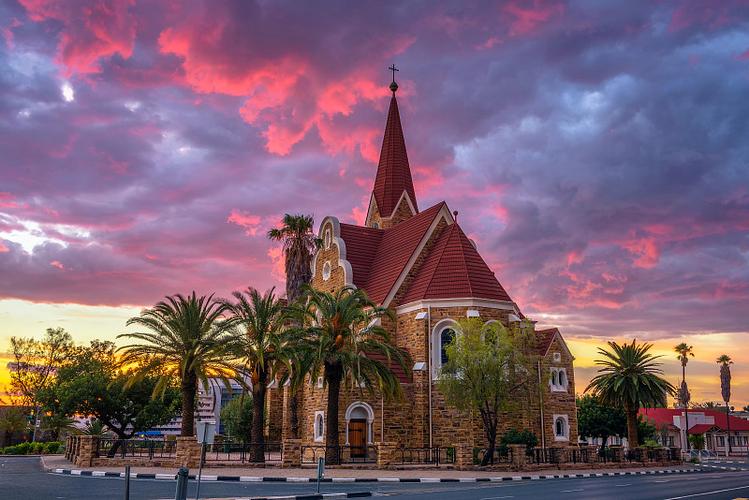
Day1|Windhoek|Urban Introduction & Equipment Calibration
Photography Focus
Light urban documentary photography + equipment setup
Lens:24–35mm wide angle
Shutter:1/125
ISO:100–400
White Balance:Daylight daylight calibration
Today's Highlights
Windhoek is the only modern urban center in Namibia and serves as the visual reset point of the expedition.
The mix of German colonial architecture and modern African city life provides strong contrast for documentary photography.
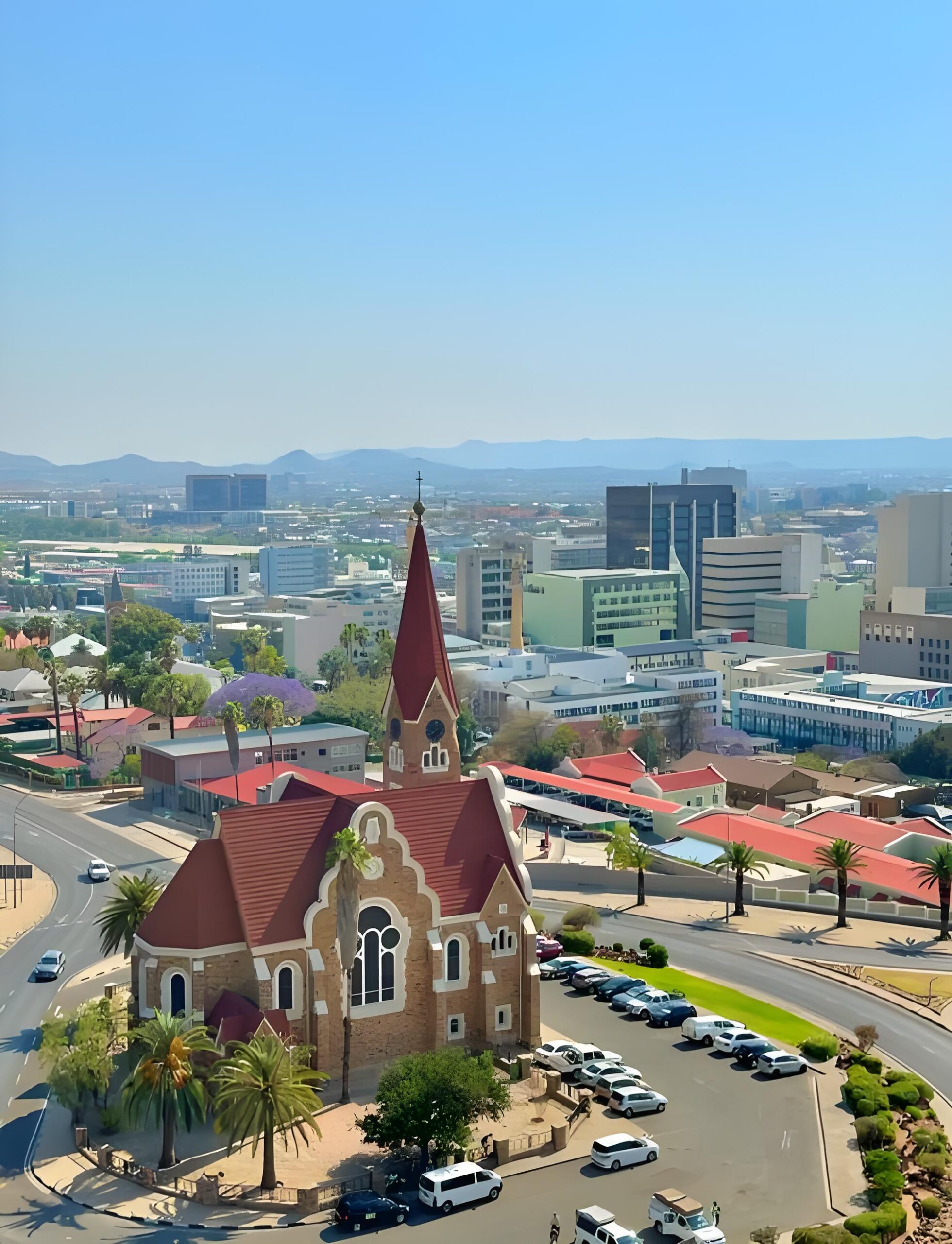
Christuskirche Church is a key architectural subject for wide-angle composition and exposure testing.
Lunch:
In-flight meal
Dinner:
Joe’s Beerhouse / The Stellenbosch Wine Bar
Accommodation:
Hilton Windhoek or River Crossing Lodge
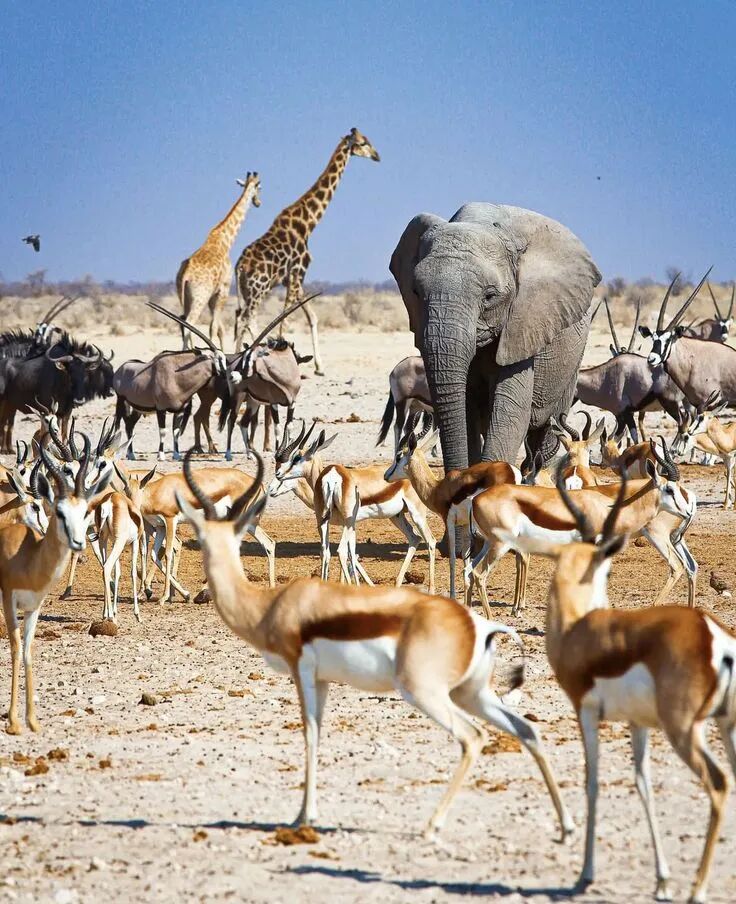
Day2|Etosha National Park|Wildlife Concentration Zone
Photography Focus
Wildlife telephoto shooting + action capture
Lens:200–600mm telephoto
Shutter:1/1000
ISO:400–1600
Mode:Continuous AF + burst
Today's Highlights
Etosha National Park is one of Africa’s most reliable wildlife photography ecosystems, defined by its vast salt pan (Etosha Pan) and strategically distributed artificial waterholes.
During the dry season, wildlife congregates around limited water sources, creating naturally staged “open-air theatre” scenes where elephants, lions, rhinos, and antelopes can often be captured within the same frame. This predictable behavior pattern makes Etosha one of the most efficient wildlife photography locations in Africa.
Dining:
Okaukuejo / Halali Restaurant
Accommodation:
Okaukuejo Resort
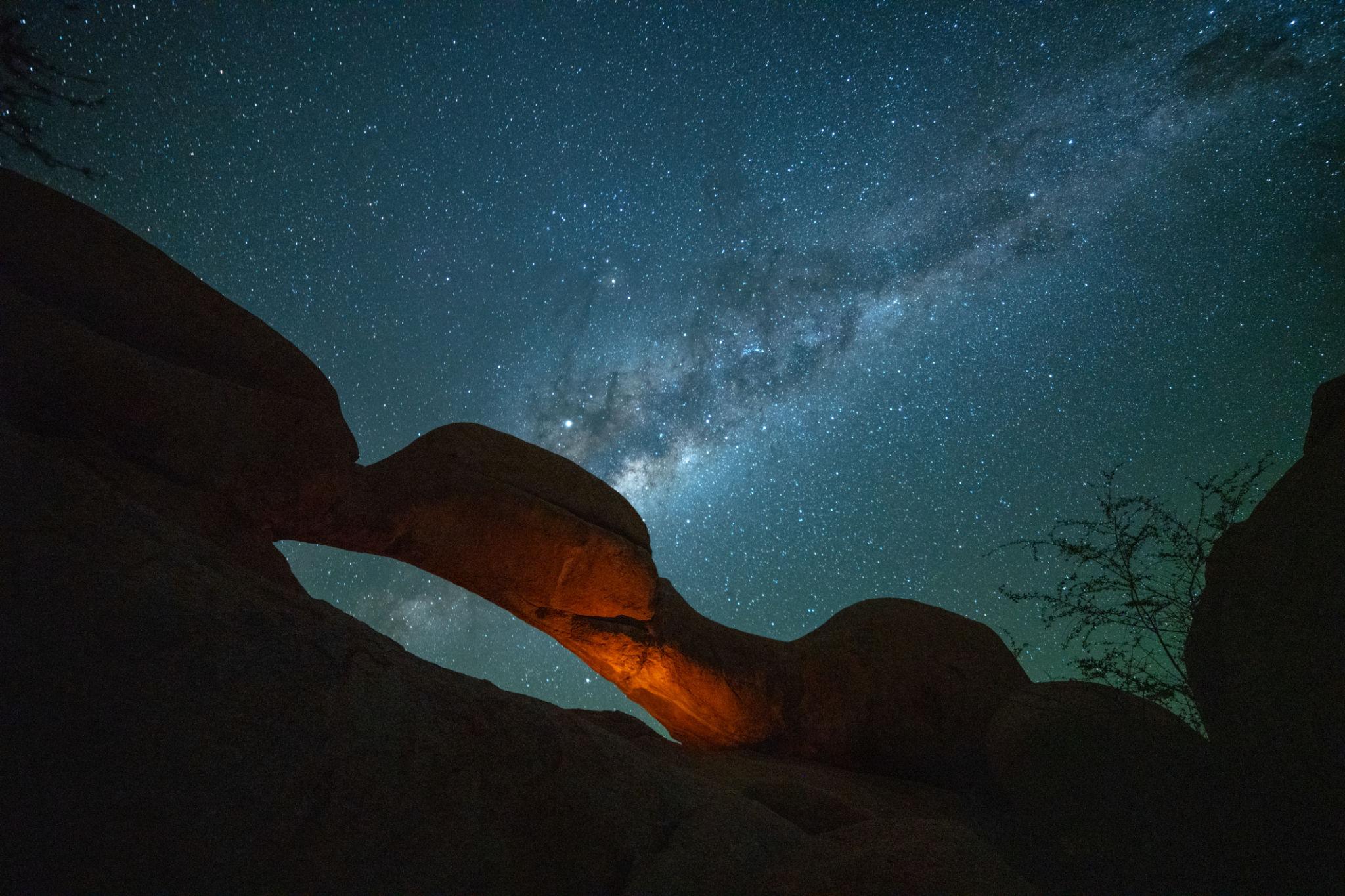
Day 3|Spitzkoppe Granite Cathedral
Photography Focus
Landscape + astrophotography
Lens:14–24mm ultra wide
Aperture:f/8–f/11
Night:Milky Way alignment
Today's Highlights
The Spitzkoppe in central Namibia is one of the most iconic and visually dramatic granite landscapes in Africa, widely regarded as a paradise for landscape photographers. Rising abruptly from the flat desert plains, its massive granite domes, jagged peaks, and naturally formed rock arches create an almost otherworldly setting that feels sculpted for photography.
Among its most famous features are the natural rock arches and balanced boulders, which offer powerful foreground elements for composition. These formations are especially striking during sunrise and sunset, when warm golden light enhances the textures of the granite and casts long, dramatic shadows across the desert floor. For photographers, Spitzkoppe provides endless opportunities for minimalist compositions, wide-angle desert scenes, and intimate detail shots of weathered rock surfaces and ancient geological forms.
At night, the absence of nearby urban development means exceptionally dark skies filled with stars, making Spitzkoppe also highly valued for astrophotography. The Milky Way often appears vividly above the granite silhouettes and arches, attracting leading landscape and night-sky photographers from around the world who come specifically to capture its raw, timeless beauty in both daylight and under the stars.
Dinning:
Spitzkoppen Lodge
Accommodation:
Spitzkoppen Lodge
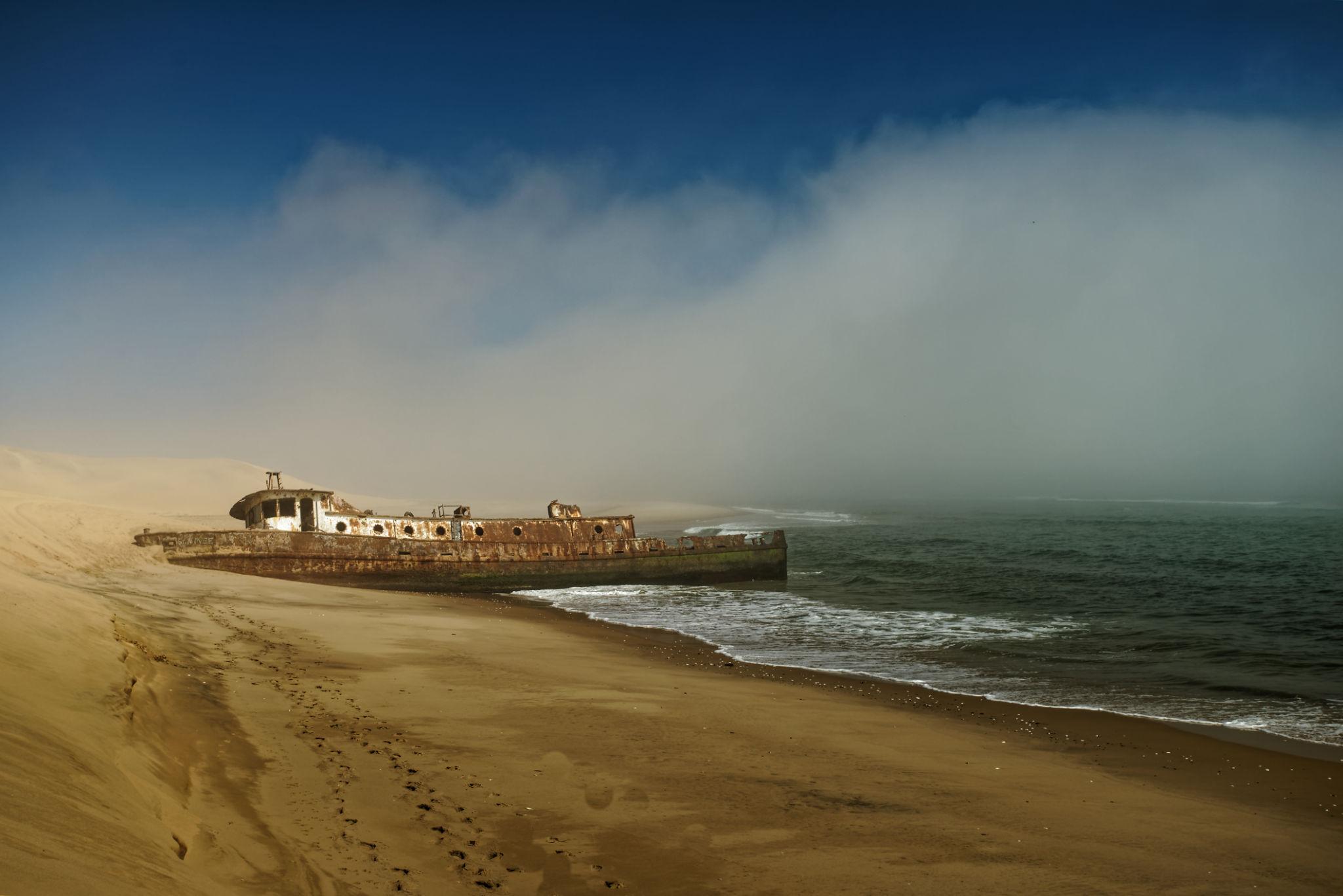
Day 4|Skeleton Coast Silence
Photography Focus
Documentary coastal photography
Lens:24mm wide
Shutter:1/500
ISO:400–800
WB:Cool tone
Today's Highlights
Skeleton Coast is often described as “The Land God Made in Anger.” Formed by the collision of the cold Benguela Current and the Namib Desert, it produces extreme fog, freezing winds, and one of the most desolate coastlines on Earth.
Over 1,000 shipwrecks are scattered along this coastline, making it one of the most surreal maritime graveyards in the world. The combination of rusted wrecks, drifting sand dunes, and dense Atlantic fog creates a cinematic atmosphere widely used in fine-art photography and documentary storytelling.
Cape Cross Seal Reserve hosts one of the largest seal colonies in the world, with populations reaching hundreds of thousands. The extreme density creates visually overwhelming compositions where wildlife movement and ocean waves merge into chaotic yet structured frames.
Dining:
Terrace Bay Resort Restaurant
Accommodation:
Terrace Bay Resort
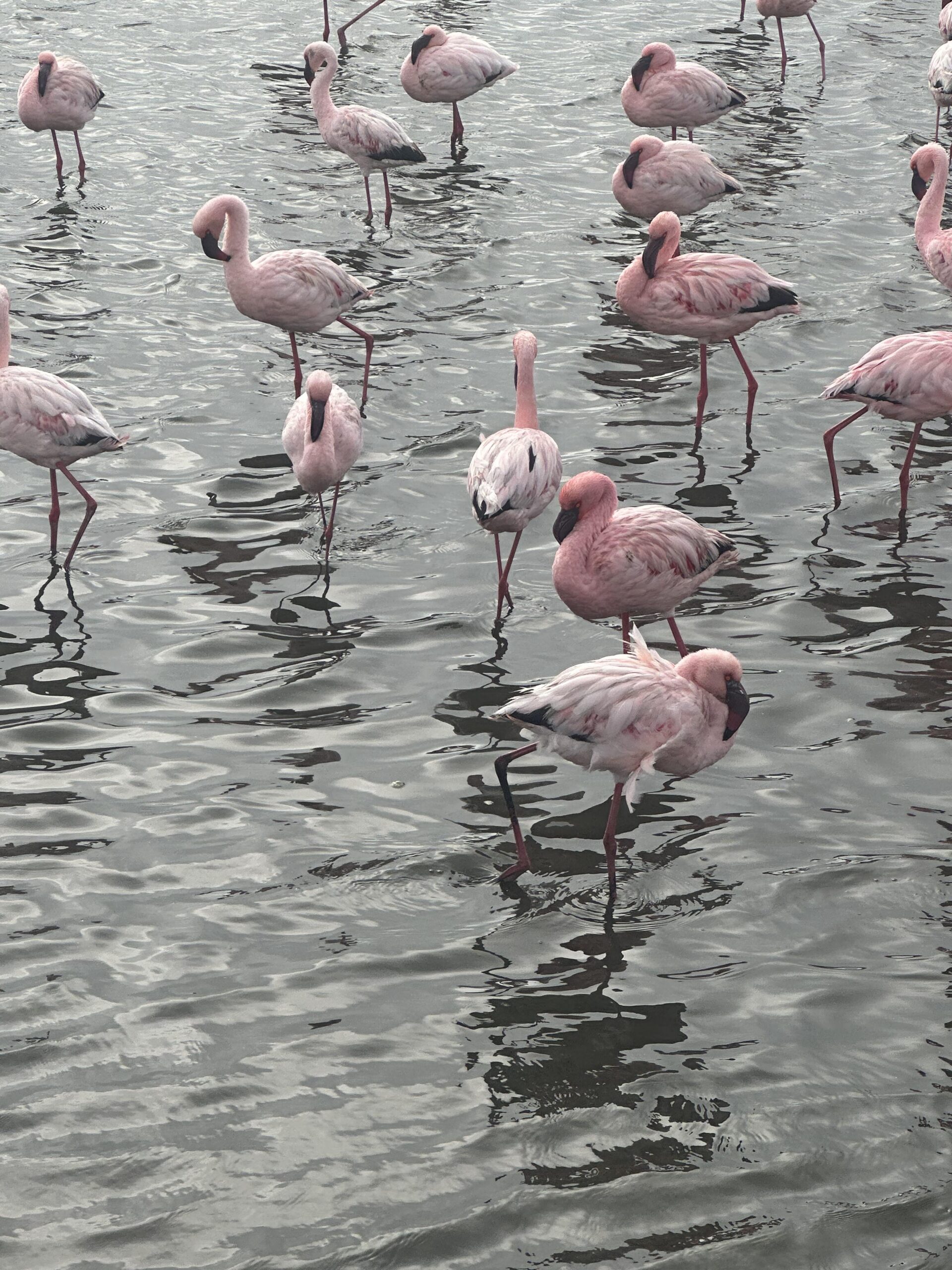
Day 5|Walvis Bay Lagoon Light
Photography Focus
Bird + coastal landscape photography
Lens:70–200mm
Aperture:f/8
Tone:Warm sunset color
Today's Highlights
Walvis Bay is Namibia’s only deep-water port and one of the most important wetland ecosystems in Southern Africa. The salt lagoons surrounding the town attract large populations of flamingos, creating vibrant pink reflections against the desert coastline.
This region is visually defined by geometric natural compositions: linear coastlines, salt pans, and bird formations that create minimalist aerial and telephoto compositions widely used in commercial tourism photography.
Dinning:
The Tug / Jetty 1905
Accommodation:
The Breeze / The Stiltz Lodge
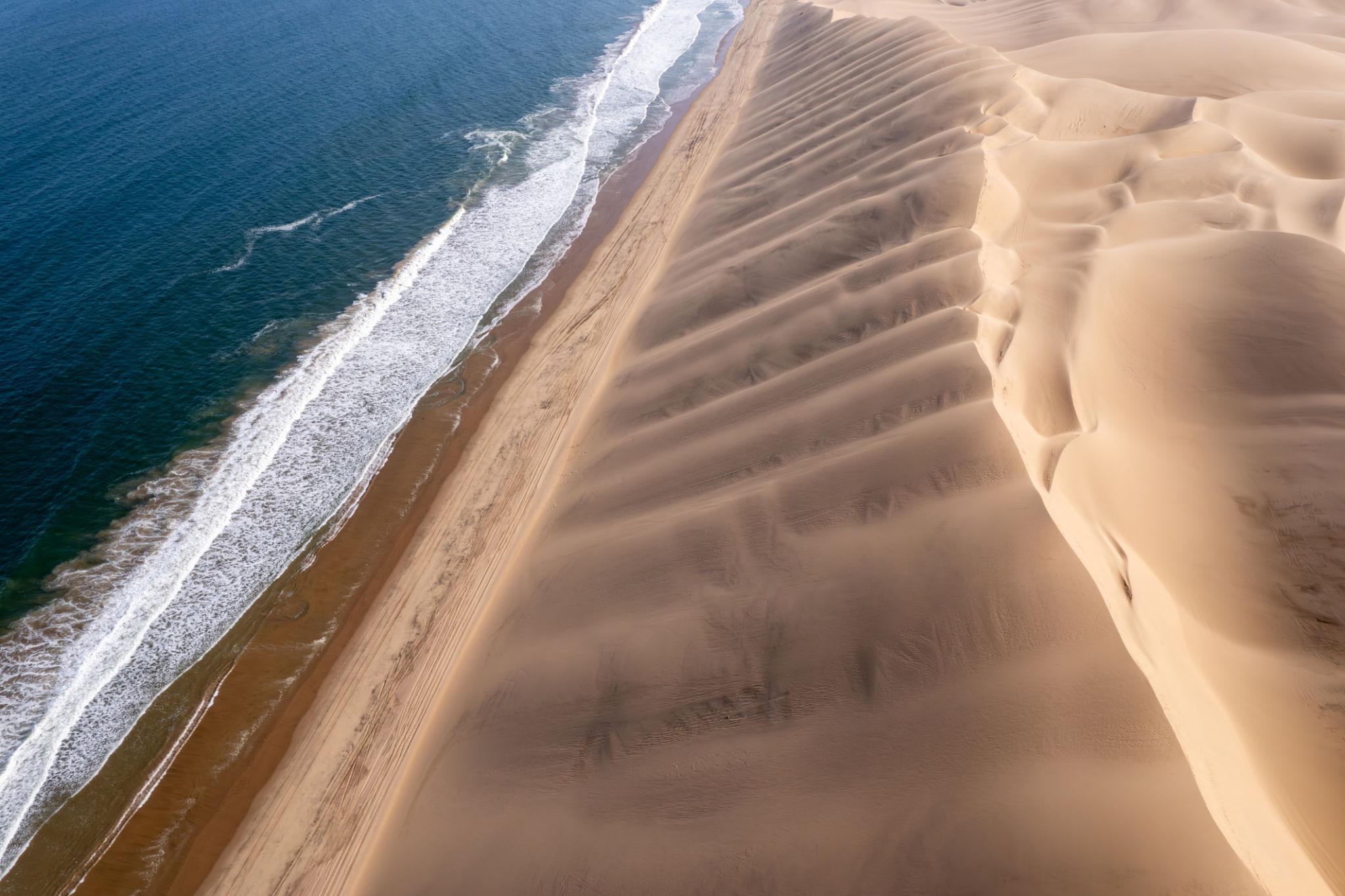
Day 6|Sandwich Harbour Dune Ocean
Photography Focus
Drone 4K 24fps cinematic mode
f/11 for sand texture detail
24mm wide angle landscape
Today's Highlights
This unforgettable day combines some of Namibia’s most iconic coastal experiences, offering exceptional opportunities for both photography enthusiasts and nature lovers. The morning begins with a scenic marine cruise in Walvis Bay, where playful Cape fur seals, pelicans, dolphins, and seasonal whales can often be observed at close range. The calm waters of the Atlantic Ocean, combined with abundant marine wildlife, provide excellent conditions for wildlife and documentary-style photography.
The journey continues to the famous Pink Lake, one of Namibia’s most photogenic hidden gems. The striking contrast between the vivid pink waters, bright white salt deposits, and deep blue African sky creates a dreamlike landscape that is particularly appealing to photographers. The geometric patterns of the surrounding salt pans offer unique aerial-style compositions even from ground level, making this a favorite stop for landscape and travel photography.
In the afternoon, adventure awaits at Sandwich Harbour, where the towering golden dunes of the Namib Desert dramatically meet the Atlantic Ocean. Traveling by 4×4 across the coastal dunes provides spectacular viewpoints and thrilling dune-driving experiences. For photographers, Sandwich Harbour is a true masterpiece of nature, offering endless opportunities to capture sweeping desert panoramas, dramatic dune shadows, winding tracks across the sand, and one of the most extraordinary desert-meets-ocean landscapes on Earth. As the light changes throughout the day, every turn reveals a new perspective and a new photographic opportunity, making this one of the highlights of any journey through Namibia.
Dining:
Swakopmund butcherrestaurant
Accommodation:
- he Breeze desert lodge or The stiltz lodge
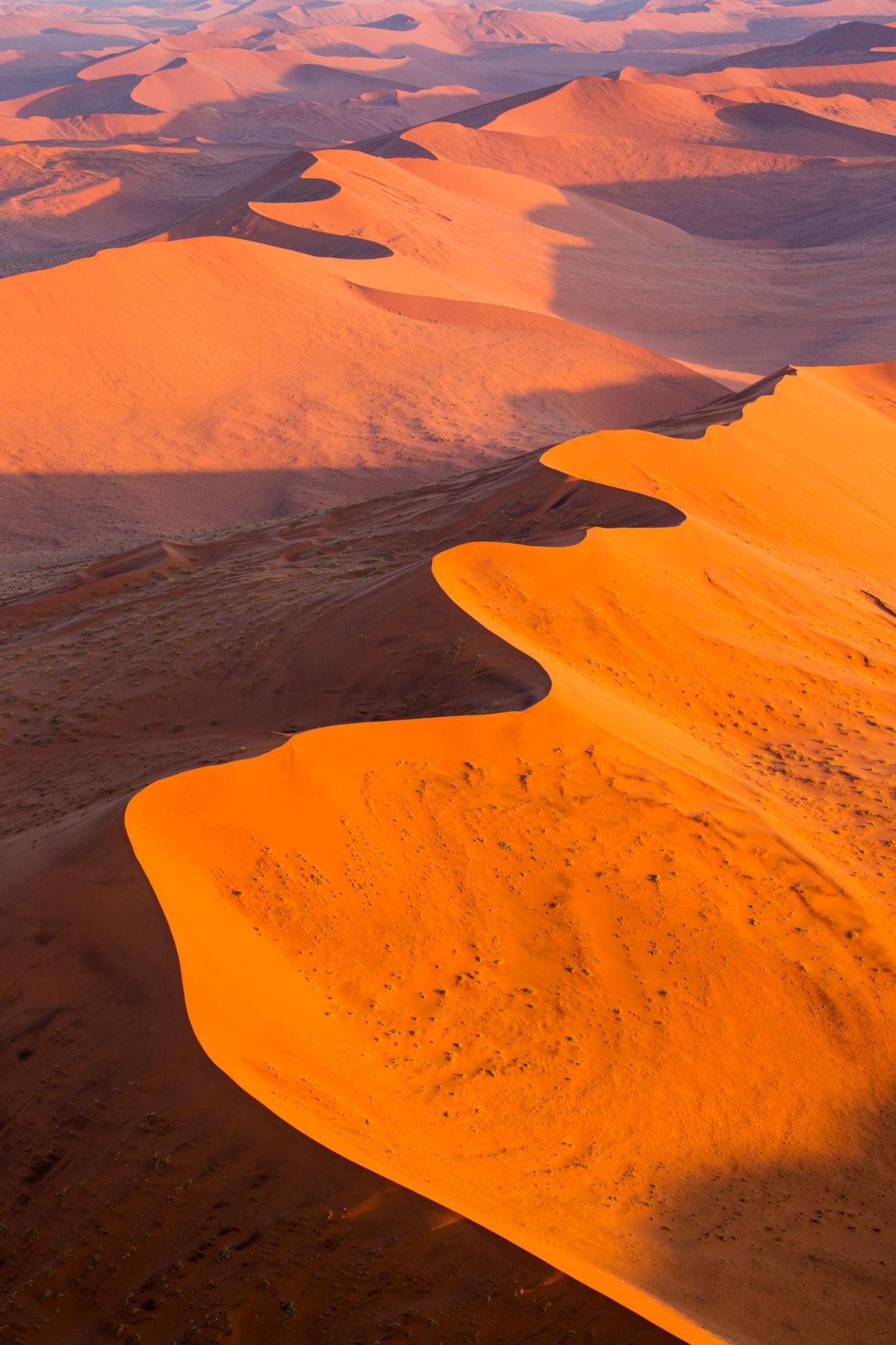
Day 7|Sossusvlei First Light
Photography Focus
Sunset silhouette + dune light control
ISO:100
Aperture:f/8–f/11
Backlight control
Today's Highlights
Sossusvlei lies within the Namib Desert, one of the oldest continuous deserts on Earth (~55 million years). Its iconic red dunes are formed by iron oxide oxidation over millions of years.
The landscape is a textbook example of aeolian (wind-driven) geomorphology, with perfectly sculpted dune ridges and rhythmic patterns that shift constantly with wind direction.
Dinning:
Sossusv Dune Lodge Resaurnt
Accommodation:
Sossusv Dune Lodge or Sossusvlei Lodge
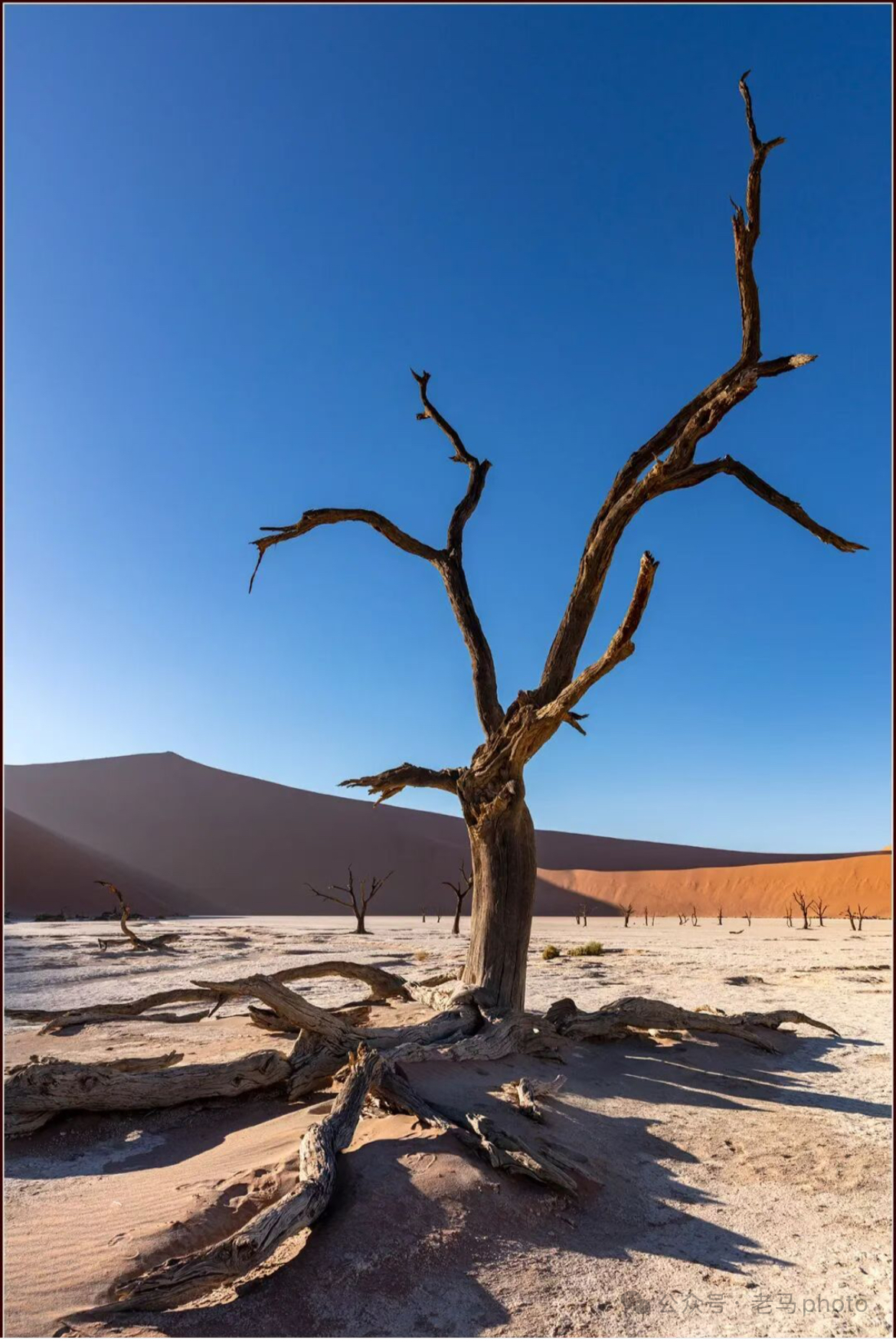
Day 8|Deadvlei Master Day
Photography Focus
High dynamic range + astrophotography
ISO:3200–6400
Shutter:15–25 sec
Aperture:f/2.8
Today's Highlights
Sossusvlei,is one of the most spectacular and photogenic desert landscapes in the world, making it a dream destination for photography enthusiasts. Towering red dunes, stark white clay pans, and dramatic light conditions at sunrise and sunset create endless opportunities for powerful landscape and fine-art photography.
One of the most iconic highlights is Deadvlei, a surreal white clay pan dotted with ancient, blackened camel thorn trees that have stood dead for hundreds of years. The contrast between the bright white ground, deep blue sky, and orange dunes creates some of the most striking compositions in Africa. Nearby, Dune 45 is one of the most accessible and photogenic dunes in the region, especially at sunrise when its sharp ridgelines glow in golden light. For the more adventurous photographers, the legendary “Big Daddy” dune offers a challenging climb rewarded with panoramic views over Deadvlei and the vast sea of dunes below—perfect for wide-angle, perspectives and dramatic scale shots.
Dinning:
Sossusv Dune Lodge Resaurnt
Accommodation:
Sossusv Dune Lodge or Sossusvlei Lodge
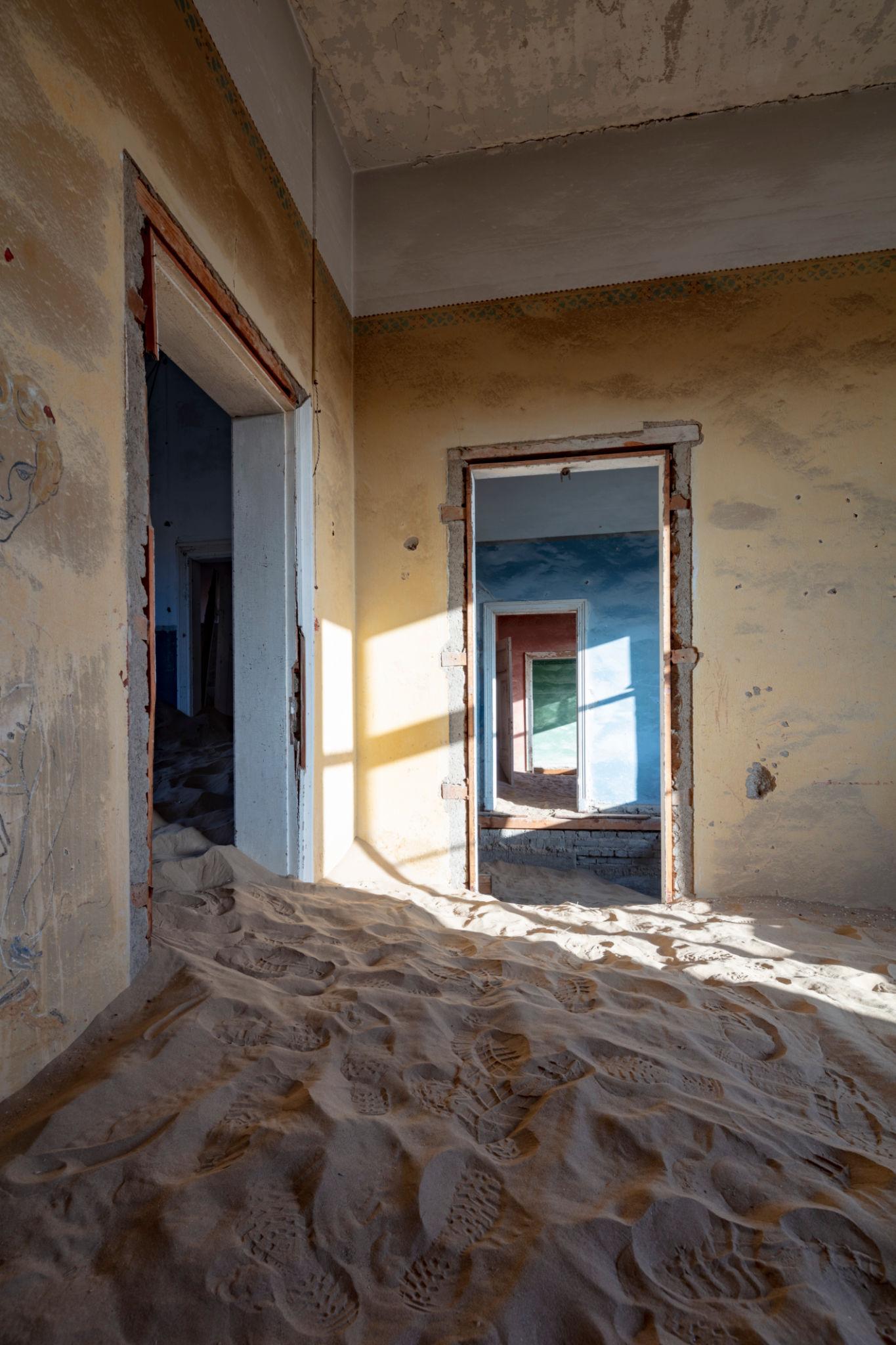
Day 9|Kolmanskop Ghost Light
Photography Focus
HDR + interior light beams
HDR bracketing
Window light beams
Today's Highlights
Kolmanskop was once a thriving diamond mining town in the early 20th century. After the diamond boom ended, the town was abandoned and gradually engulfed by desert sand.
Today, sand-filled rooms, collapsing walls, and window-lit corridors create one of the most surreal abandoned environments on Earth. It is widely recognized as one of the most important ghost town photography locations globally, often used to visualize decay, memory, and time erosion.
Dinning:
Crayfish Restaurant
Accommodation:
Lüderitz Nest Hotel (Primary) / Lüderitz Guesthouse (Alternative)
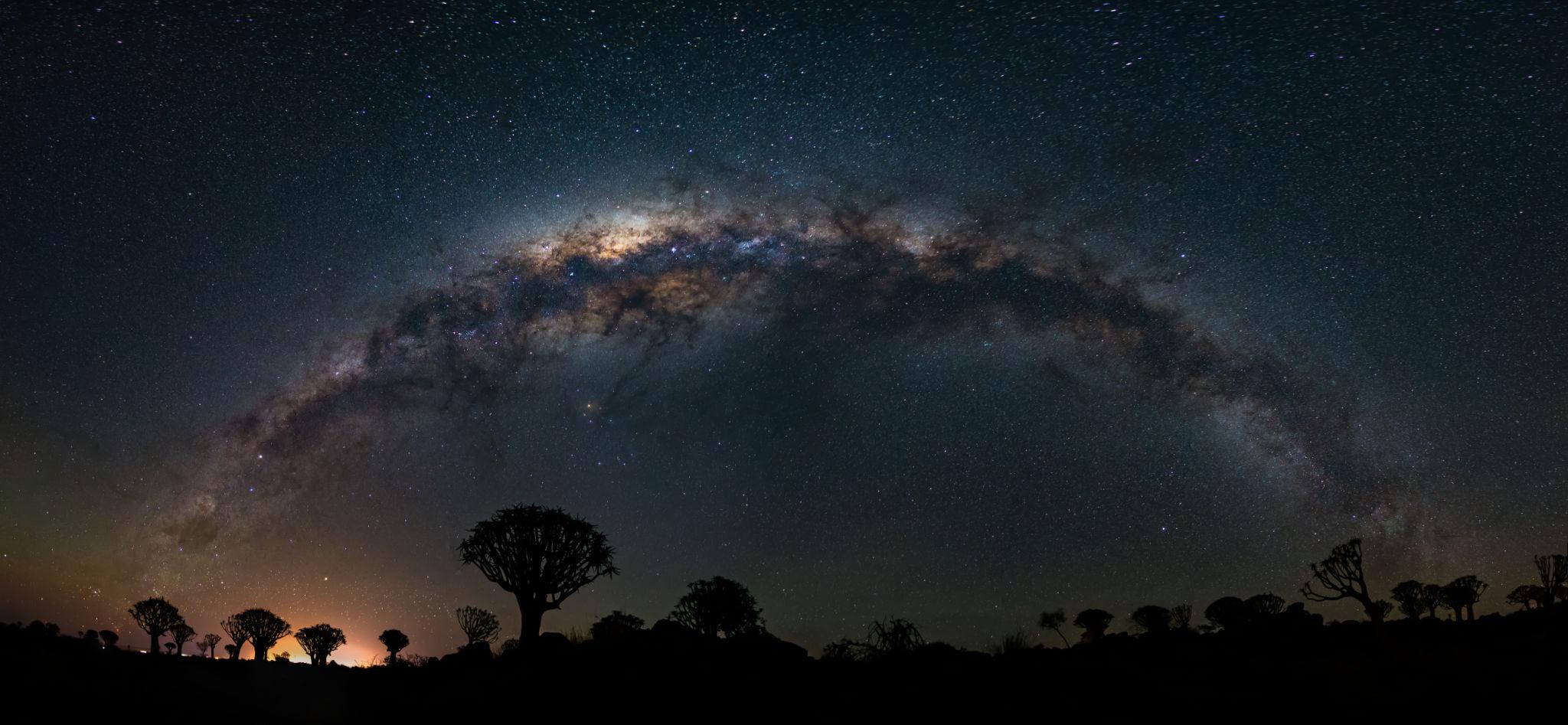
Day 10|Quiver Tree Night Sky
Photography Focus
Astrophotography + silhouette landscape
ISO:3200+
Aperture:f/2.8
Wide angle
Today's Highlights
Quiver Tree Forest is one of the most iconic astrophotography locations in Southern Africa. The unique silhouette of quiver trees creates natural sculptural foregrounds for night sky compositions.
The Quiver Tree landscape in southern Namibia is one of the most surreal and visually striking environments in Africa, making it a favorite destination for landscape and astrophotography enthusiasts. These ancient aloe trees, known as quiver trees, stand scattered across rocky terrain, creating dramatic silhouettes during sunrise and sunset. Their sculptural forms, combined with wide desert horizons and minimal light pollution, offer exceptional conditions for both creative composition and long-exposure photography.
One of the most important reasons this area is world-famous among photographers is its proximity to the NamibRand Nature Reserve, which is recognized as one of the world’s six Gold Tier International Dark Sky Reserves. This designation makes it one of the best places on Earth for astrophotography, with incredibly clear Milky Way visibility and almost zero light interference. As a result, the Quiver Tree region and surrounding landscapes regularly attract leading landscape and night-sky photographers from around the world, who come specifically to capture award-winning images of star-filled skies above these iconic trees.
Dinning:
Keetmanshoop Restaurant
Accommodation:
Quiver Tree Forest Rest Camp (Primary) / Keetmanshoop Hotel (Alternative)
Day 11|Windhoek Final Story
Photography Focus
Street + documentary + editing
Lens:35–50mm
Natural light
Today's Highlights
Windhoek, the capital of Namibia, is often overlooked by photographers who rush straight into the desert—but in reality, it offers a rich and diverse urban landscape that is ideal for street, cultural, and documentary photography. Set in a basin surrounded by rolling hills, the city combines German colonial architecture, modern African urban life, and vibrant local culture, creating layered visual storytelling opportunities that are very different from Namibia’s desert regions.
For photographers, Windhoek is especially interesting in the early morning and late afternoon, when warm light softens the city’s mix of old and new architecture. Landmarks such as Christuskirche, the Independence Memorial Museum, and the bustling downtown streets provide strong compositional contrasts between historical structures and contemporary city life. Street markets, informal trading areas, and everyday scenes of local life also offer authentic human-centered photography subjects that capture Namibia’s social rhythm and cultural diversity.
While Windhoek is not known for dramatic natural landscapes, its value lies in storytelling, portraiture, and urban exploration. Many travel and documentary photographers use the city as a starting point or ending point of their Namibia journey, capturing both the human side of the country and the transition between urban life and the vast wilderness beyond.
Dinning:
- Kubata Restaurant orJoe’s Beerhouse
Accommodation:
Hilton Windhoek / The Weinberg Hotel
Day 12|Departure
Photography Focus
travel documentation only
Today's Highlights
Journey completion and transfer to airport
Dinning:
On request
Accommodation:
N/A
What's Included & Excluded
What's Included
- Airport meet & greet & transfers
- Accommodation as listed in the itinerary
- Professional multilingual guide service
- Private vehicle transportation throughout the tour
- National park entrance fees
- Activities and excursions as listed
- Daily breakfast and selected meals
- Bottled drinking water during transfers
- Bottled drinking water during transfers
What's Excluded
- International flights
- Visa fees (if applicable)
- Travel insurance
- Personal expenses
- Optional activities not listed
- Tips and gratuities
- Laundry and beverages not specified
- Any items not mentioned as included
- Personal toiletries and hygiene products
Ready to Explore Namibia?
From the iconic dunes of Sossusvlei to the wildlife of Etosha, let Dune Eagle Tours create your unforgettable African adventure.
Small groups • Expert local guides • Tailor-made experiences